Understanding these emotional triggers is essential for effective relapse prevention. Recovery involves recognizing and effectively addressing top triggers for relapse and how to avoid them. From the subtle challenges of complacency and boredom to the more pronounced influences of social pressure and unresolved trauma, each trigger demands its own approach. Building a strong support system, developing coping mechanisms, and maintaining a structured routine are vital components of a resilient recovery journey. It’s crucial to remember that setbacks, such as relapses, are a part of the process, not a definitive endpoint. By addressing emotional relapse in its early stages, individuals can break the cycle of relapse and build a more fulfilling and lasting recovery.
Develop strategies that will help a client recognize their triggers
Understanding that relapse is often a step in the recovery process, not a failure, encourages persistence. Remember, reaching out for help and support is vital if you ever feel overwhelmed or struggling. Therapists and counselors will document, share, and regularly update these strategies throughout your treatment. For example, celebrating these milestones may provide a tempting excuse to give into old habits.
- Such plans should include identifying personal triggers, establishing coping strategies, and leveraging support systems like therapy, support groups, and family involvement.
- They can also help evaluate the long-term effectiveness of emerging therapies and identify factors that contribute to sustained recovery.
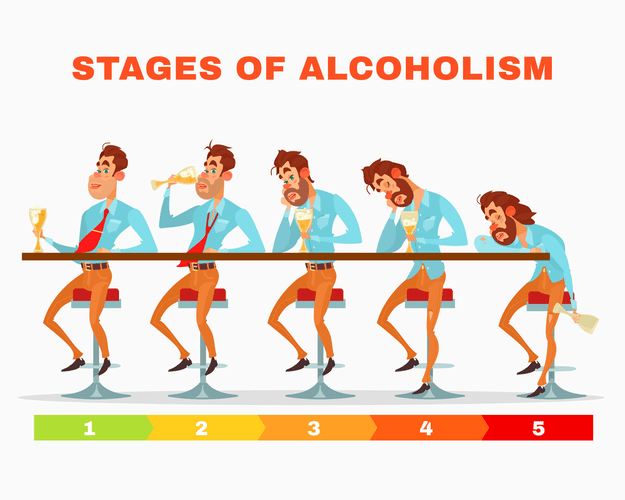
- One of the main ideas in relapse prevention is understanding that relapse is a gradual process with distinct stages.
- By recognizing these triggers, individuals can develop effective coping strategies and relapse prevention plans to navigate through challenging situations.
- They can improve their emotional intelligence skills more effectively if they identify specific areas that need improvement.
- The best way to deal with this relapse trigger is to have a strong support network.
The Sociological Impact on Relapse Risk
Tools such alcoholism as ecological momentary assessment (EMA) enable real-time data collection, capturing the dynamic and situational aspects of emotion regulation. Future treatment designs could incorporate neurofeedback and other brain-stimulation techniques to directly target neural circuits involved in emotional control. Additionally, integrating personalized assessments of emotional and neural functioning can help tailor interventions to individual needs, improving outcomes. Chronic substance use and stress lead to neuroplastic changes—alterations in synaptic strength and even structural neuronal modifications—that heighten sensitivity to drug cues and promote craving. These adaptations can intensify the emotional salience of drug-related cues, making relapse more likely.

How to Start Loving Yourself: Life After Addiction
Interventions aimed at normalizing stress responses and enhancing emotional regulation hold promise for reducing relapse risk. Therapies such as Dialectical Behavior Therapy (DBT) and Cognitive Behavioral Therapy (CBT) are commonly used to teach these vital skills. In DBT, clients learn mindfulness, distress tolerance, emotional regulation, and radical acceptance. These tools enable them to stay present, endure difficult emotions, and accept their experience without impulsive reactions. The connection between emotional responses and relapse in addiction involves complex neurobiological pathways.
When would you use this Avoiding Relapse Triggers During Holidays CBT Worksheet?
When these pathways are compromised, individuals struggle to cope with emotional triggers, making relapse more likely. Developing a relapse prevention plan, staying active in therapy or support groups, and practicing self-awareness are essential parts of maintaining sobriety. Additionally, committing to enjoyable activities and employing positive distractions helps maintain mental well-being. By establishing these coping mechanisms, individuals can navigate their recovery journey more effectively. Mindfulness and meditation are effective techniques for calming the mind, which can help build resilience against these triggers. Additionally, engaging in enjoyable activities or physical exercise can serve as positive distractions, mitigating the effects of powerful cravings.

- I learned effective practices that will make my recovery journey a lifetime goal.
- These feelings, if not properly managed, can increase vulnerability to relapse.
- Ongoing effort, honesty, and support are vital to maintain stability and promote resilience in the long term.
Get treatment for any underlying mental illness and monitor thinking and feeling with a journal to help notice when slipping into old patterns. Avoiding being too hungry, angry, lonely, or tired must align with the commitment to making recovery the main priority. A strict sleep schedule, meal planning, and attendance at support groups are needed. Although this post is coming to a close, the work for exploring emotions and feelings and how to regulate them has just begun. Take a moment to learn more about emotions and feelings in our post, 8 Core Emotions – Can You Express Them? We will be exploring Emotional Regulation Practices in an upcoming post soon.
Effectively addressing emotional relapse and ensuring a successful recovery journey can be achieved by exploring types of relapse triggers various treatment options and selecting the most fitting approach. Warren is a Licensed Master Social Worker, who specializes in substance abuse and mental health treatment. Clinically, Warren has developed a therapeutic skillset that utilizes a strengths-based perspective, Twelve Step philosophies, Cognitive Behavioral Therapy and Motivational Interviewing.
A wide range of mental or emotional disabilities can potentially qualify for emotional support animal letters. People who have a high ACE score can benefit from appropriate support and treatment. Individuals can seek appropriate support and treatment for their physical and mental health needs if they recognize the impact of childhood trauma on their health. This can also improve treatment effectiveness and increase the likelihood of successful outcomes.
What counts as a relapse during recovery?
A personalized plan tailored to your specific triggers and coping mechanisms equips you with a clear roadmap for handling internal triggers effectively. This plan may include identifying early warning signs, specific calming techniques, contact information for support persons, healthy activities, and routines that minimize trigger exposure. Having this plan in place enhances your confidence to face internal challenges, reduces uncertainty, and promotes consistent application of relapse prevention strategies. Identifying triggers for relapse is crucial to maintain sobriety and prevent setbacks in recovery. Understanding these triggers allows individuals to be better prepared to handle challenging situations. By identifying specific situations, emotions, or people that increase the risk of relapse, individuals can develop strategies to manage these triggers.
Tags :